



Manaslu Circuit Trek: Your Complete Guide to Nepal’s Remote Trails
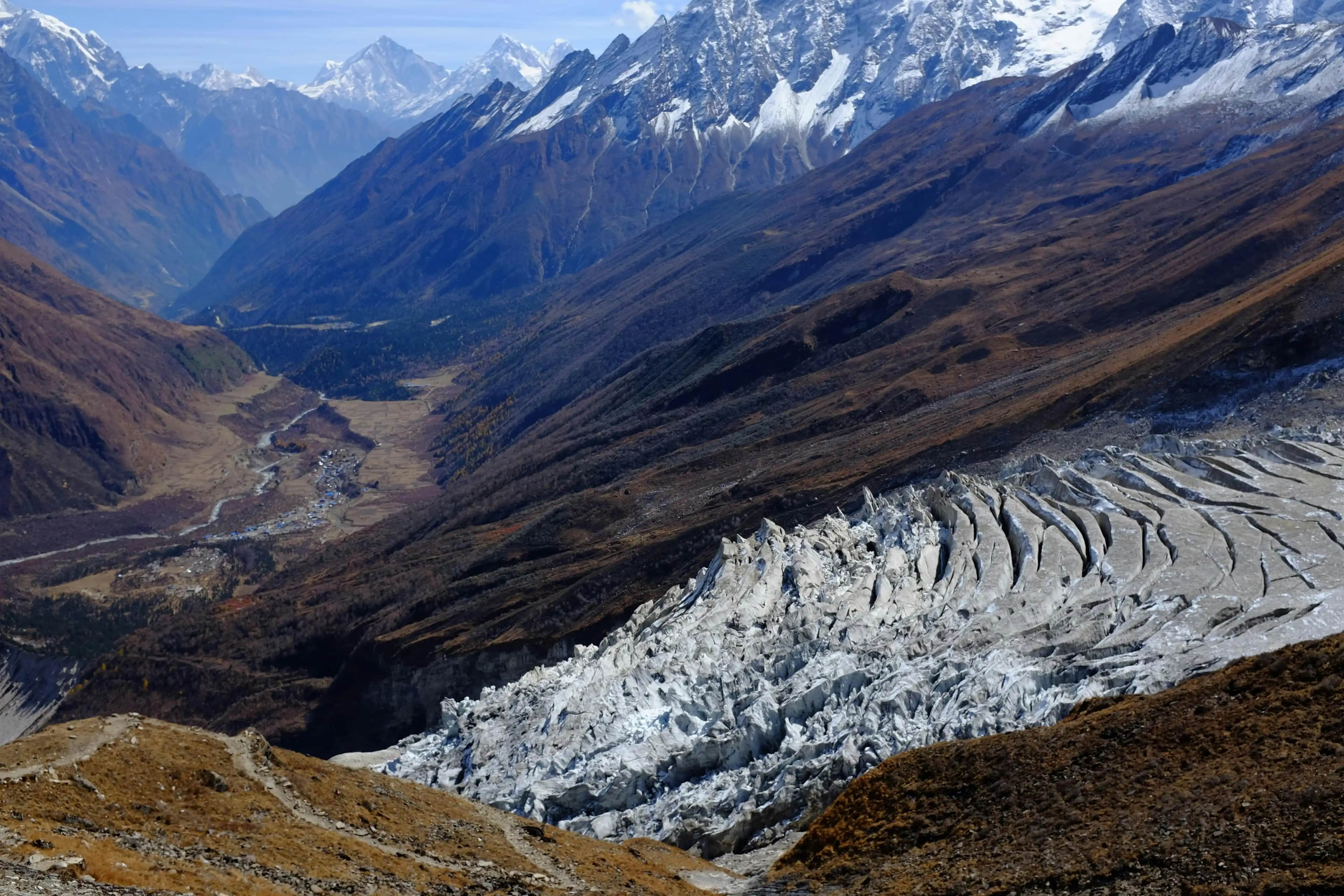
Nestled in the heart of the Nepalese Himalayas, the Manaslu Circuit Trek is an off-the-beaten-path journey that blends towering peaks, untouched valleys, and vibrant local culture. Unlike the well-trodden Everest or Annapurna trails, Manaslu offers solitude, discovery, and a sense of exploration that few treks can match.
Here, every step tells a story: the laughter of children in remote villages, the flutter of prayer flags against snow-capped mountains, and the serene silence of high-altitude forests. This trek is not just about reaching a summit—it’s about connecting with nature, experiencing centuries-old traditions, and pushing your limits in one of the world’s most breathtaking landscapes.
For travelers seeking a journey that challenges the body, captivates the senses, and nourishes the soul, the Manaslu Circuit Trek is the ultimate Himalayan adventure.
Manaslu Circuit Trek Overview – Duration, Route, and Highlights
The Manaslu Circuit Trek is one of Nepal’s most spectacular and less-traveled trekking routes, forming a 177-kilometer loop around Mount Manaslu (8,163 meters), the world’s eighth-highest peak. Unlike the crowded Everest or Annapurna trails, this trek offers solitude, breathtaking scenery, and an authentic Himalayan cultural experience.
Most trekkers complete the circuit in 14–18 days, depending on pace and acclimatization. The journey begins at Soti Khola, moving through terraced farmlands, dense rhododendron forests, and traditional villages before ascending to high passes like Larkya La (5,160 meters). From this vantage, panoramic views of Manaslu, Himalchuli (7,893m), and Ngadi Chuli (7,871m) leave trekkers spellbound. The trail then descends through the Marsyangdi and Budhi Gandaki valleys, with rivers, waterfalls, and deep gorges enriching the experience.
This trek is ideal for adventurers seeking both a physical challenge and cultural immersion. Every day brings new scenery: crossing roaring rivers via suspension bridges, walking along cliffside trails, and spotting Himalayan wildlife such as Himalayan thar, snowcocks, and yak herds.
Manaslu Circuit Trek Highlights
- Mount Manaslu Views: Towering at 8,163 meters, Manaslu dominates the skyline. Villages like Samagaon and Samdo offer perfect vantage points for breathtaking photography.
- Larkya La Pass (5,160m): The trek’s highest point, known as the “gateway to the high Himalaya,” is a challenging but rewarding ascent with sweeping glacier and peak views.
- Remote Villages Along the Trek: Explore Dharapani, Namrung, Samagaon, and Samdo, where centuries-old Buddhist traditions thrive and locals warmly welcome trekkers.
- Rivers and Valleys: Cross the Do Kot, Birendra Tal, and Budhi Gandaki River, passing waterfalls, glacial streams, and deep gorges.
- Wildlife & Nature: Trek through forests of rhododendron, pine, and bamboo while spotting red pandas, Himalayan monals, and langurs in remote areas.
- Cultural Encounters: Visit monasteries, witness local rituals, and experience the fluttering prayer flags that decorate the Himalayan villages.
Manaslu Circuit Trek Cultural Insights – Local Communities, Traditions, and Festivals
The Manaslu Circuit Trek is not just about mountains and passes—it’s a journey through the rich cultural tapestry of the Himalayas. The trail passes through villages inhabited by Gurung, Tamang, and Tibetan communities, each preserving centuries-old customs and Buddhist traditions. Trekkers get a rare opportunity to witness authentic Himalayan life far from crowded tourist trails.
Along the lower regions, you will find Aryan communities living in terraced farmlands, practicing traditional agriculture. Moving higher, the mid and upper regions are predominantly home to Gurung, Tamang, and Tibetan settlers, whose monasteries, prayer wheels, and fluttering prayer flags create an unforgettable cultural backdrop against the towering peaks.
Manaslu Circuit Trek Local Communities
- Lower Manaslu: Aryan farmers cultivate rice, millet, and potatoes, providing a glimpse into centuries-old agricultural practices.
- Mid and Upper Manaslu: Gurung, Tamang, and Tibetan villages offer an intimate experience of Buddhist rituals, traditional architecture, and handicrafts.
- Hospitality: Tea houses and family-run lodges provide warm meals, local stories, and an authentic stay unlike commercial trekking hubs.
Manaslu Circuit Trek Festivals
Experiencing local festivals is a highlight of the Manaslu Circuit Trek. These celebrations bring color, music, and spirituality to the remote Himalayan villages:
- Kumje Festival: A deeply spiritual celebration where monks perform rituals and prayers, reflecting the local Buddhist heritage.
- Dumche Festival: Known for its masked dances and sacred relic exhibitions, this festival showcases ancient legends and rituals, providing trekkers a rare insight into the region’s cultural soul.
Manaslu Circuit Trek Logistics – Permits, Guides, Porters, and Accommodation
Planning a successful Manaslu Circuit Trek requires careful preparation. This trek passes through a restricted area and remote high-altitude villages, making permits, guides, porters, and accommodation critical for safety and comfort. Proper planning ensures you can focus on trekking, sightseeing, and cultural experiences rather than logistics.
Manaslu Circuit Trek Permits
- Restricted Area Permit (RAP): Required for entry into the Manaslu region. The RAP helps control trekking in this sensitive area and protects local communities.
- Cost: Approx. $70–$80 USD per foreign trekker, plus $10 per day for groups larger than four people.
- Issuing Authority: Nepal’s Department of Immigration.
- Trekker Information Management System (TIMS) Card: Ensures safety tracking. Mandatory for all trekkers.
- Cost: Around $20–$30 USD.
- Group Requirement: Trekkers often must hire a guide if traveling in groups of fewer than two people due to restricted area regulations.
Manaslu Circuit Trek Guides and Porters
- Guides: Certified local guides are recommended for safety, route knowledge, and cultural interpretation.
- Porters: Carrying loads up to 15–20 kg, porters make multi-day trekking manageable. Daily costs are around $20–$25 USD, plus tips.
- Local Impact: Hiring guides and porters supports the Himalayan economy and provides sustainable livelihoods to remote communities.
Manaslu Circuit Trek Accommodation
- Tea Houses and Lodges: Available in most villages along the trek, including Dharapani, Namrung, Samagaon, and Samdo. Facilities include basic rooms, shared bathrooms, and heating during the winter months.
- High-Altitude Lodging: Above 4,000 meters, amenities are minimal. Expect no Wi-Fi, limited electricity, and cold showers.
- Capacity: Most tea houses accommodate 10–20 trekkers per night, so early booking is recommended during peak season (Spring and Autumn).
Manaslu Circuit Trek Food and Meals
- Typical Menu: Dal Bhat (lentils and rice), vegetable curry, noodles, momos, and local tea.
- Meal Cost: Around $5–$7 USD per meal in high-altitude villages.
- Energy Foods: Trekkers should carry trail mix, energy bars, and chocolate for long trekking days.
- Hydration: Boiled or filtered water is widely available; carrying a reusable water bottle and purification tablets is advised.
Manaslu Circuit Trek – Managing Altitude and Health Tips
The Manaslu Circuit Trek takes trekkers to high altitudes, with Larkya La Pass reaching 5,160 meters. At these elevations, the risk of acute mountain sickness (AMS) is significant. Proper acclimatization, awareness of symptoms, and preventive measures are critical for a safe and enjoyable trek.
Common Altitude-Related Symptoms on the Manaslu Circuit Trek
- Mild Symptoms: Headache, fatigue, nausea, dizziness, and shortness of breath are early signs of altitude stress.
- Moderate to Severe Symptoms: Persistent vomiting, confusion, extreme fatigue, or swelling in hands/feet may indicate severe AMS or high-altitude pulmonary/cerebral edema (HAPE/HACE). Immediate descent and medical attention are required.
- Onset Timing: Symptoms typically appear 6–24 hours after ascending above 3,000 meters.
Acclimatization Strategies for the Manaslu Circuit Trek
- Gradual Ascent: Increase sleeping altitude by no more than 300–500 meters per day once above 3,000 meters.
- Extra Rest Days: Include at least one or two acclimatization days in Samagaon (3,500m) or Dharamsala (4,460m) to allow your body to adjust.
- Hydration & Nutrition: Drink 3–4 liters of water daily and eat high-carbohydrate, low-fat meals to maintain energy and prevent dehydration.
- Climb High, Sleep Low: Hike to higher altitudes during the day and return to lower elevations to sleep, reducing AMS risk.
- Medications (if advised): Acetazolamide can help prevent AMS, but should only be taken under medical guidance.
Health and Safety Tips on the Manaslu Circuit Trek
- Listen to Your Body: Don’t ignore symptoms—rest or descend if necessary.
- Buddy System: Trek with partners or guides who can monitor health and provide assistance.
- Emergency Preparedness: Carry a first-aid kit, portable oxygen, and a communication device. Know the locations of the nearest health posts.
- Avoid Alcohol and Smoking: Both increase dehydration and hinder acclimatization.
Conclusion
The Manaslu Circuit Trek is more than just a trail; it’s a journey through stunning landscapes, remote Himalayan villages, and centuries-old cultural traditions. From lush forests and rushing rivers in the lower valleys to the glaciers and the iconic Larkya La Pass, every step is an adventure. Along the way, you’ll experience local festivals, meet welcoming villagers, and feel the quiet magic of a Himalayan world far from the crowds.
Whether you’re an experienced trekker chasing new heights or someone looking to explore authentic Himalayan culture, the Manaslu Circuit Trek offers an experience you’ll never forget.
So why wait?
Pack your gear, lace up your boots, and explore the Manaslu Circuit with us at Himalayan Vibe Trek.
We’ll take care of the planning, guides, and local insights so you can focus on soaking in the views, connecting with the culture, and enjoying every moment of this unforgettable adventure.